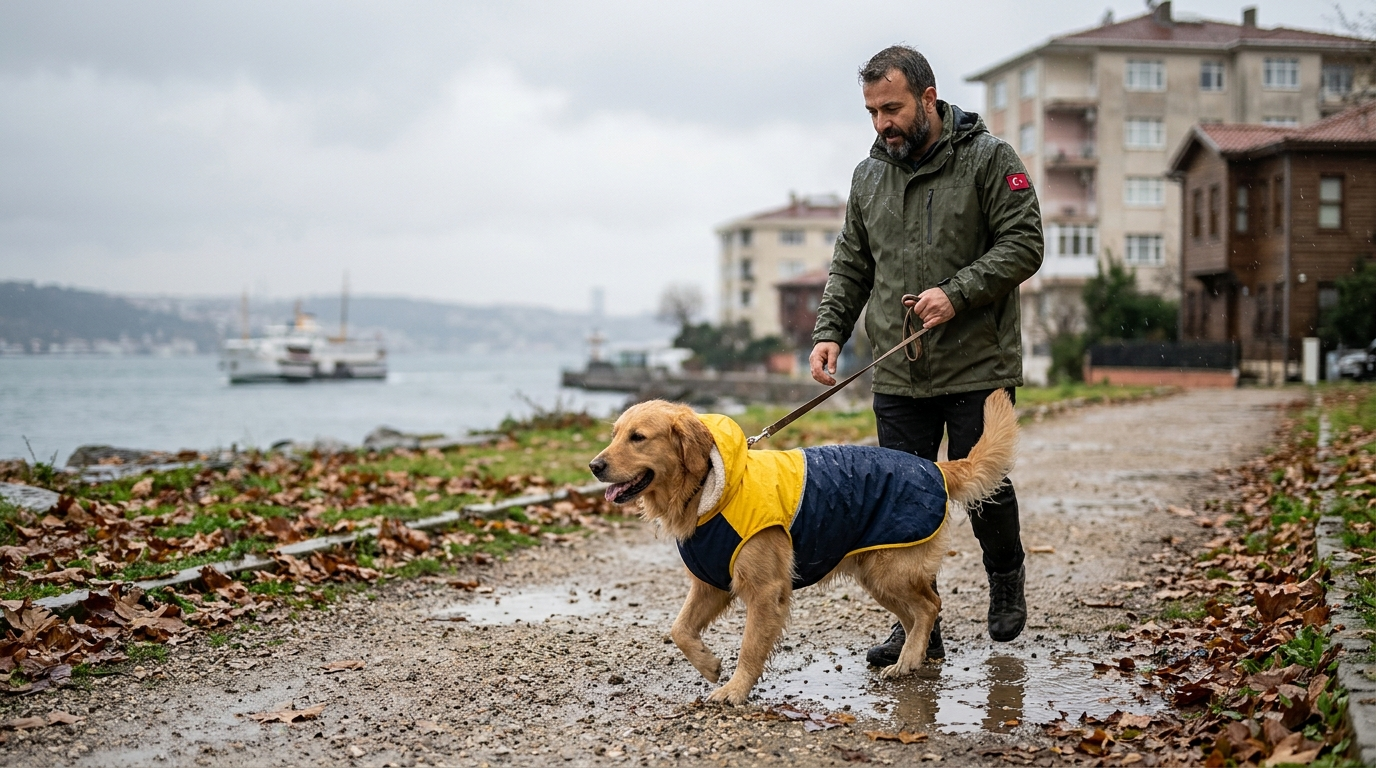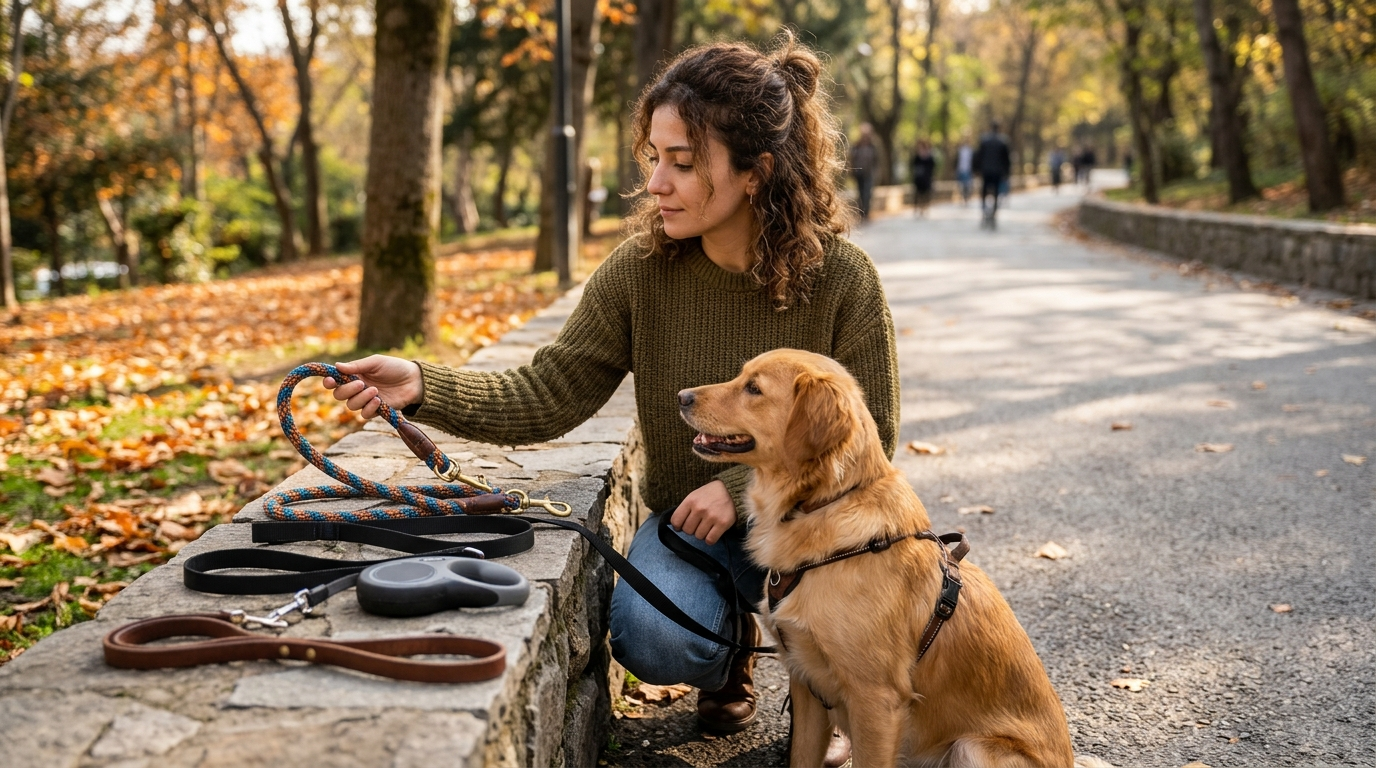
How to Choose The best dog leash for everyday walks should match your dog’s size, walking habits, and usual environment. A short, sturdy leash can improve control on busy sidewalks, while a lighter and longer option may feel more comfortable in a quiet park. The right choice depends less on appearance than on how the leash performs in real walking situations.
Start with your dog’s walking habits
Think about what your dog actually does outside. A calm dog that stays close has different needs from a strong puller, a dog that reacts to other animals, or a puppy that changes direction every few seconds.
- For calm walkers: A standard lightweight leash is usually simple, comfortable, and easy to manage.
- For strong pullers: Choose durable webbing, a comfortable handle, and a clip that will not open under force.
- For dogs that lunge or react: A shorter leash gives you more control and keeps your dog closer in crowded areas.
- For puppies: A light leash prevents unnecessary weight while they learn to walk without chewing or tangling it.
- For outdoor walks: Look for materials that tolerate dirt, moisture, and repeated cleaning.
A leash cannot replace training, but the right design can make handling easier while your dog develops better walking manners.
Choose the right leash length
Leash length affects control, freedom, and the amount of slack between you and your dog. A standard leash of around four to six feet works well for most daily walks because it offers room to sniff without creating excessive distance.
A shorter leash can be useful near traffic, in elevators, at veterinary clinics, or on crowded paths. It reduces the chance of your dog crossing in front of another person or becoming tangled around obstacles. A longer leash may suit quiet open areas where your dog is allowed to explore, but it requires more attention and can be harder to gather quickly.
For ordinary neighborhood walking, a fixed-length leash is often easier to control than a retractable model. Retractable leashes give dogs more range, but the thin line, extended distance, and locking mechanism can make sudden changes more difficult to manage.
Compare leash materials
Material affects weight, grip, durability, and cleaning. Nylon is common because it is affordable, available in many widths, and relatively easy to wash. It can feel stiff when new and may become uncomfortable if it cuts into your hand during pulling.
Leather can soften over time and provide a comfortable grip, but it needs more care and should not be left wet for long periods. Rope leashes are often flexible and comfortable to hold, while coated or waterproof materials can be practical for rainy walks and muddy trails.
Match the leash width and strength to your dog rather than choosing solely by breed. A small dog may need a narrow, lightweight leash, whereas a large or powerful dog needs stronger webbing and reinforced stitching. The leash should not feel unnecessarily heavy, but it must provide a sensible safety margin for sudden movement.
Pay attention to the handle
A leash handle should stay comfortable when your dog walks normally and when it suddenly pulls. A padded handle can reduce rubbing on longer walks, especially for owners who hold the leash firmly. A simple loop is lighter and easier to store, but it may offer less cushioning.
Some leashes include a second handle near the clip. This traffic handle lets you shorten the distance quickly when passing people, crossing a street, or moving through a busy entrance. It can be particularly useful for dogs that need closer supervision in stimulating environments.
Avoid wrapping the leash around your wrist. If your dog bolts, the pressure can cause an injury. Hold the loop securely while keeping enough flexibility to release it if the leash becomes caught.
Check the clip before buying
The clip connects the leash to your dog’s collar or harness, so its shape and locking mechanism deserve careful attention. A simple bolt-snap clip is common and easy to operate. A trigger-snap clip may offer a wider opening, while a locking clip adds protection against accidental release.
Choose a clip that is strong enough for your dog but not so heavy that it pulls on the neck or weighs down a small harness. The clip should rotate freely enough to reduce twisting, and its spring or locking mechanism should move smoothly without sticking.
Before every walk, check that the clip is fully closed and attached to the correct connection point. If the metal is bent, the spring no longer closes properly, or the attachment ring is separating from the leash, replace the leash rather than relying on temporary repairs.
Match the leash to the walking environment
Your regular route should influence the final choice. City walks call for a manageable leash that keeps your dog close around bicycles, cars, doorways, and other pedestrians. A quiet residential route may allow slightly more length, provided your dog remains responsive.
For wet weather, select a leash that does not stay soaked for hours. For wooded paths, inspect the leash after walks for fraying, mud, and snag damage. Reflective stitching can improve visibility in low light, although it does not replace a light or reflective accessory when walking near traffic after dark.
If more than one person walks the dog, choose a design that fits the least experienced handler as well as the strongest one. A leash that feels comfortable to one person may be too long, heavy, or difficult for another to control.
Signs you should replace a dog leash
Even a well-made leash eventually wears out. Examine the entire length regularly, paying close attention to the areas around the handle, clip, and stitched joins.
- Frayed or thinning webbing
- Loose stitching or separated seams
- Cracks, rust, or bending around the clip
- A handle that has stretched or torn
- Chew marks that have weakened the material
- A locking mechanism that no longer closes securely
Replacing a leash at the first serious sign of damage is cheaper and safer than discovering the problem when your dog suddenly pulls away. Keep the leash dry and stored away from chewing pets when it is not in use.
A practical choice for most daily walks
For many owners, the best dog leash is a fixed-length model around four to six feet long, made from durable material, with a comfortable handle and a secure clip suited to the dog’s size. Adjust that starting point if your dog needs closer control, more freedom in permitted areas, or a lighter design.
Prioritize reliable handling over decorative features. A leash that feels secure in your hand, stays attached, and suits your usual route will make everyday walks easier for both you and your dog.
This is a example product from amazon : dog leash
You can read our other article from: How to Choose a Dog Raincoat