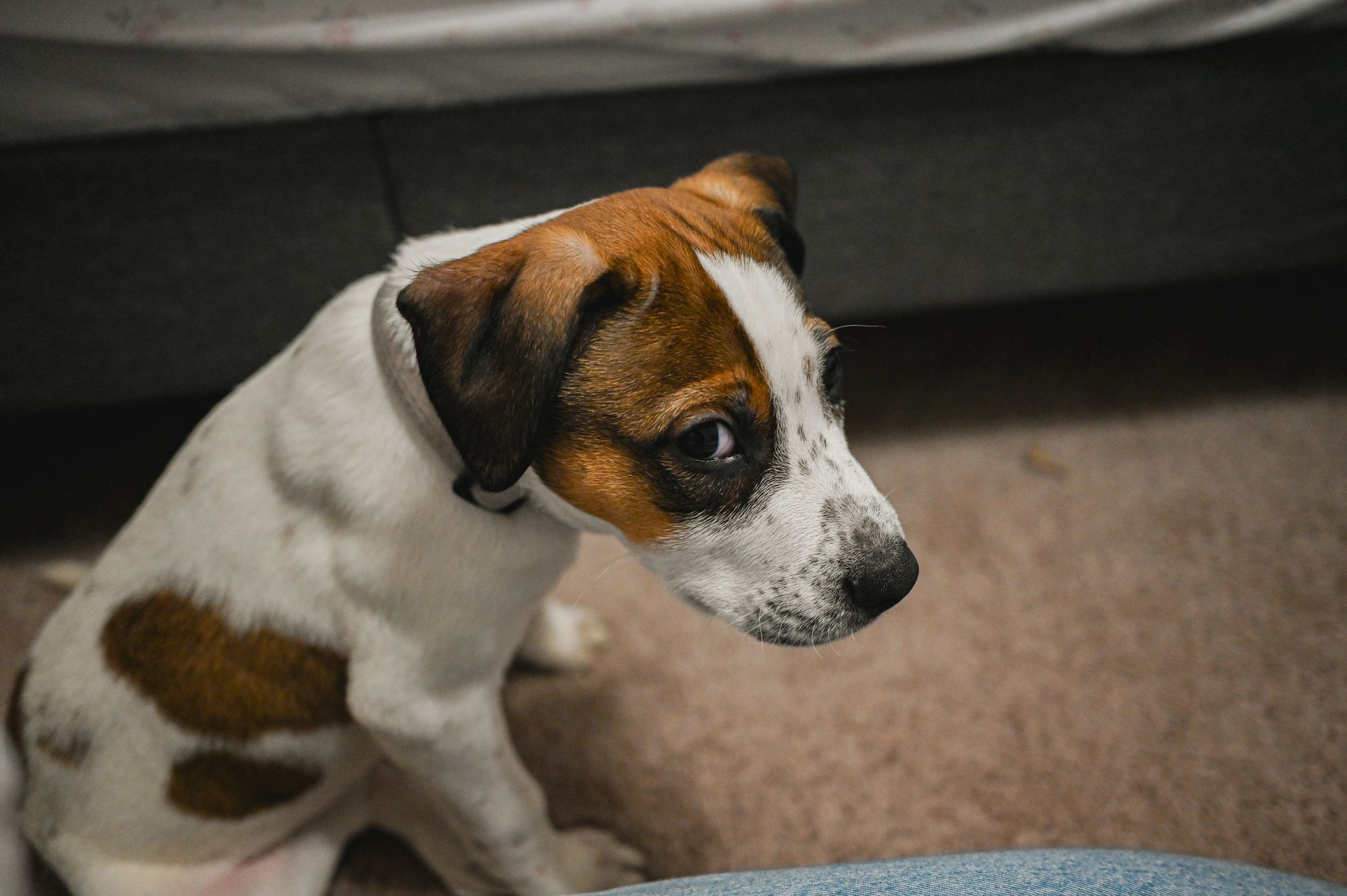
Start Strong: Why Toilet Training Sets the Foundation for a Well-Behaved Dog
House soiling is one of the top reasons pet owners seek training support, especially in urban environments like Istanbul where apartment living is common and outdoor access is limited. A consistent toilet training routine isn’t just about cleanliness—it’s a cornerstone of responsible pet ownership that fosters a healthier, stress-free home. When dogs learn where and when to eliminate, both owner and pet benefit from stronger communication, fewer accidents, and more confidence during daily walks around neighborhoods like Atasehir.
Proper toilet training begins early, ideally between 8 to 16 weeks of age, when puppies are most receptive to learning household rules. Whether you’re raising a new pup or retraining an adult dog, success hinges on routine, positive reinforcement, and understanding canine behavior cues like sniffing, circling, or sudden focus at the door.
In this guide, you’ll learn how to:
- Establish a real-world bathroom schedule aligned with your dog’s biology
- Choose the best indoor or outdoor setup based on your living situation
- Recognize subtle signals your dog needs to go
- Reinforce good behavior effectively without confusion
A well-trained dog is a joy to live with—and the journey starts with smart, consistent toilet habits.
Build a Reliable Potty Routine in 7 Simple Steps
Consistency is the cornerstone of successful house training. Dogs thrive on predictability, and a well-structured bathroom schedule prevents accidents and builds confidence. Start by setting specific times for potty breaks: first thing in the morning, after meals, following naps, post-play sessions, and right before bedtime. Puppies typically need a break every 2–3 hours due to small bladders.
- Choose a designated potty spot outdoors—this creates a sensory trigger for your dog.
- Use a leash and take them out the same way each time to reinforce the routine.
- Wait patiently (5–10 minutes) at the spot, allowing your dog to sniff and relax.
- Use a short, consistent verbal cue like “go potty” while they eliminate to build association.
- Praise and reward immediately after they finish—this reinforces the desired behavior.
- Limit free-roam time indoors until fully trained to reduce the risk of indoor accidents.
- Maintain the schedule even on weekends—disruptions confuse dogs, especially in Istanbul’s busy urban households.
For apartment dwellers in Atasehir or similar neighborhoods, plan for extra short walks if outdoor access is limited. Keep accidents in check by supervising closely or using a crate when you can’t watch your dog. Over time, your dog will anticipate potty times, leading to fewer surprises and a cleaner home.
Tackling Toilet Training Troubles: Smart Solutions for Stubborn Issues
Even with the best intentions, toilet training can hit roadblocks. From sudden indoor accidents to hesitation near the designated spot, dog owners in Istanbul and beyond often face similar hurdles. The key to success isn’t perfection—it’s persistence and problem-solving.
One common challenge is inconsistent elimination behavior. Puppies may go days without accidents, only to regress after excitement or a schedule change. To combat this, stick to a strict routine: take your dog out first thing in the morning, after meals, post-playtime, and before bedtime. Use a consistent verbal cue like “go potty” to reinforce the desired action. If your dog circles but doesn’t go, gently lead them back inside and try again every 15 minutes.
Another frequent issue is fear of outdoor surfaces—especially on Istanbul’s varied pavement types. Start training on grass or softer ground, then gradually introduce new textures. Praise heavily for correct behavior, regardless of location.
Accidents inside? Avoid scolding after the fact—correct only if you catch your dog mid-act. Instead, focus on supervision and confinement when unsighted. Use enzymatic cleaners on soiled spots to remove lingering odors that attract repeat incidents.
With patience and targeted adjustments, most dogs master proper toileting within weeks.
5 Reward-Based Training Tactics to Cement Proper Toilet Habits
Consistent reinforcement is the cornerstone of shaping your dog’s toileting behavior. Using rewards effectively strengthens desired actions and accelerates learning, making training sessions in Istanbul or Ankara just as effective as anywhere else. Here’s how to maximize results:
Immediate Rewards Reinforce Timing
The instant your dog finishes toileting in the designated spot, deliver a treat or enthusiastic praise. Dogs associate rewards with the most recent behavior, so timing your response within three seconds significantly boosts retention and clarity.Use High-Value Treats Strategically
Not all treats are equal. Reserve premium options—like small pieces of chicken or cheese—for successful outdoor eliminations. This increases motivation and helps your dog distinguish between casual snacking and earned rewards.Vary Reward Types to Maintain Interest
Combine treats with verbal praise, petting, or a quick game of fetch. Dogs respond well to diverse reinforcement, and mixing rewards prevents habituation while keeping training sessions engaging across neighborhoods like Atasehir or beyond.Fade Rewards Gradually, Not Suddenly
Shift from rewarding every success to an intermittent schedule—like every second or third correct behavior—once the habit solidifies. This technique, known as variable reinforcement, makes the behavior more durable long-term.End on a Positive Note
Always conclude a training outing with a reward when your dog toilets correctly. This creates a satisfying routine, making future trips more predictable for both pet and owner.
Frequently Asked Questions About Dog Toilet Training
How long does it typically take to toilet train a dog?
Most dogs begin showing consistent toilet behavior within 2–4 weeks of starting training, though individual timelines vary. Puppies generally require more frequent bathroom breaks—often every 1–2 hours—while adult dogs may adapt more quickly. Success depends on consistency, routine, and positive reinforcement. In Istanbul and other urban environments where space is limited, establishing a reliable indoor or balcony routine can be especially helpful for apartment-dwelling pet owners.
Can older dogs be toilet trained?
Yes, even senior or rescue dogs can learn proper toilet habits with patience and structure. Begin by identifying any past behaviors or medical concerns, then reestablish a predictable schedule for feeding and bathroom breaks. Use enzymatic cleaners for accidents to eliminate lingering odors that might encourage repeat incidents.
Should I use pee pads or train my dog to go outside?
This depends on your living situation. For those in ATASEHIR or similar high-density areas, pee pads offer a practical indoor solution. However, if you have access to outdoor spaces, training outside promotes long-term independence. Avoid mixing both methods, as this can confuse your dog.
What do I do if my dog refuses to go outside?
Ensure the outdoor area feels safe and familiar. Accompany your dog, use consistent verbal cues like “go potty,” and reward immediately after elimination. Cold weather or wet surfaces may deter some dogs—consider boots or a small covered area.
How often should I take my puppy out?
Follow the “one hour per month of age” rule: a 3-month-old puppy needs a break every 3 hours. Always take them out after meals, naps, and play sessions.
Is crate training helpful for toilet training?
Absolutely. Dogs naturally avoid soiling their den. Use a properly sized crate and maintain a schedule to build bladder control.
What mistakes should I avoid during training?
Never punish accidents—it creates fear and hinders progress. Instead, focus on supervision, timing, and rewarding the right behavior immediately.
Keep Going – Progress Over Perfection in Dog Potty Training
Consistency, patience, and positive reinforcement are the cornerstones of successful dog toilet training. Throughout this guide, we’ve covered key strategies—from establishing a predictable routine and using designated potty zones to recognizing your dog’s subtle cues and responding with timely rewards. Remember, setbacks like indoor accidents aren’t failures; they’re part of the learning curve, especially for puppies and rescue dogs adjusting to new environments.
To continue making progress, track your dog’s elimination patterns in a simple log, noting times, locations, and outcomes. This practical insight helps refine your schedule and identify triggers. Reinforce outdoor success every time with praise or treats, and never punish accidents after the fact—this can create fear and hinder progress. Keep your training area clean using pet-safe odor eliminators to prevent repeat incidents in the same spot.
For pet owners in urban areas like Istanbul or those managing dogs in apartments, crate training and scheduled potty walks remain highly effective. Whether you’re training a tiny pup or a newly adopted adult dog, your commitment builds trust and clarity. Thousands of pet owners have walked this path before you—success is within reach. Stay consistent, celebrate small wins, and keep moving forward.