🐶 Why Puppy Training Matters
Training is not just about having an obedient dog — it’s about communication, bonding, and ensuring your puppy develops emotional balance. Early training leads to better behavior, less stress, and a stronger long-term relationship.
1. Start Training on Day One
A puppy’s habits form fast. Begin as soon as they arrive.
- Establish boundaries early
- Create a feeding & potty schedule
- Teach simple commands from day one
2. Keep Sessions Short and Fun
Puppies have short attention spans.
Ideal session length:
👉 3–7 minutes
👉 2–4 sessions per day
Use treats, praise, and enthusiasm to reinforce learning.
3. Reward Positive Behavior Immediately
Puppies live “in the moment,” so timing matters.
Good timing = better learning speed.
Examples:
✔ Reward when sitting → not after they stand
✔ Praise calmness → not after barking stops
4. Use One-Word Commands
Examples of simple effective commands:
- Sit
- Stay
- Come
- Down
- Leave
- Drop
Avoid phrases like:
❌ “Hey Bella sit down right now”
Use:
✔ “Sit”
5. Potty Training Formula
Take your puppy outside:
- After sleeping
- After meals
- After play
- Every 1–2 hours
Say a consistent potty cue, e.g.:
👉 “Go potty”
Reward immediately after success.
6. Begin Leash Training Indoors
Walk inside first.
Once calm walking is consistent → go outside.
7. Prevent Problem Behaviors Early
Common early issues:
- Jumping
- Chewing
- Nipping
- Barking
Correct with distraction + replacement.
Example:
Puppy bites → offer chew toy
8. Socialize Properly
Expose puppy to:
- People
- Dogs
- Cars
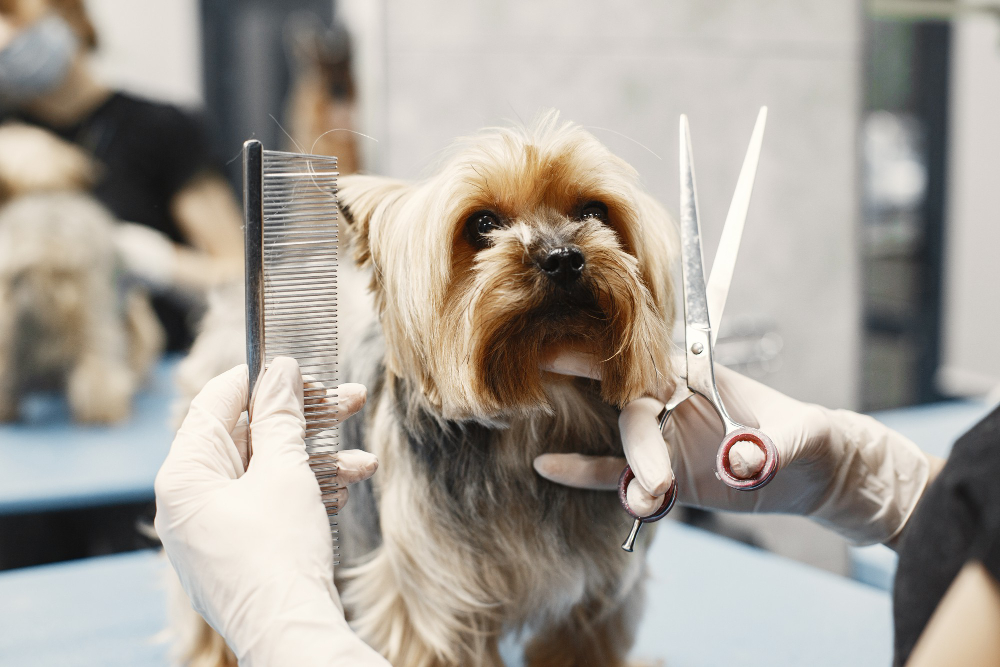
- Grooming
- Sounds
BUT do it gradually.
9. Use Basic Crate Training
Helpful for:
✔ Sleep routine
✔ Safety & travel
✔ Potty training
Make crate fun → never punishment.
10. Stay Consistent
Consistency is the biggest training secret.
Use same:
- Cues
- Rewards
- Rules
Every family member should follow training rules.
Our Final Advice
Training is not work — it’s bonding. Celebrate every milestone, and progress will be smooth.
Thanks for reading.